

The Shadow Side of Trauma-Informed Parenting
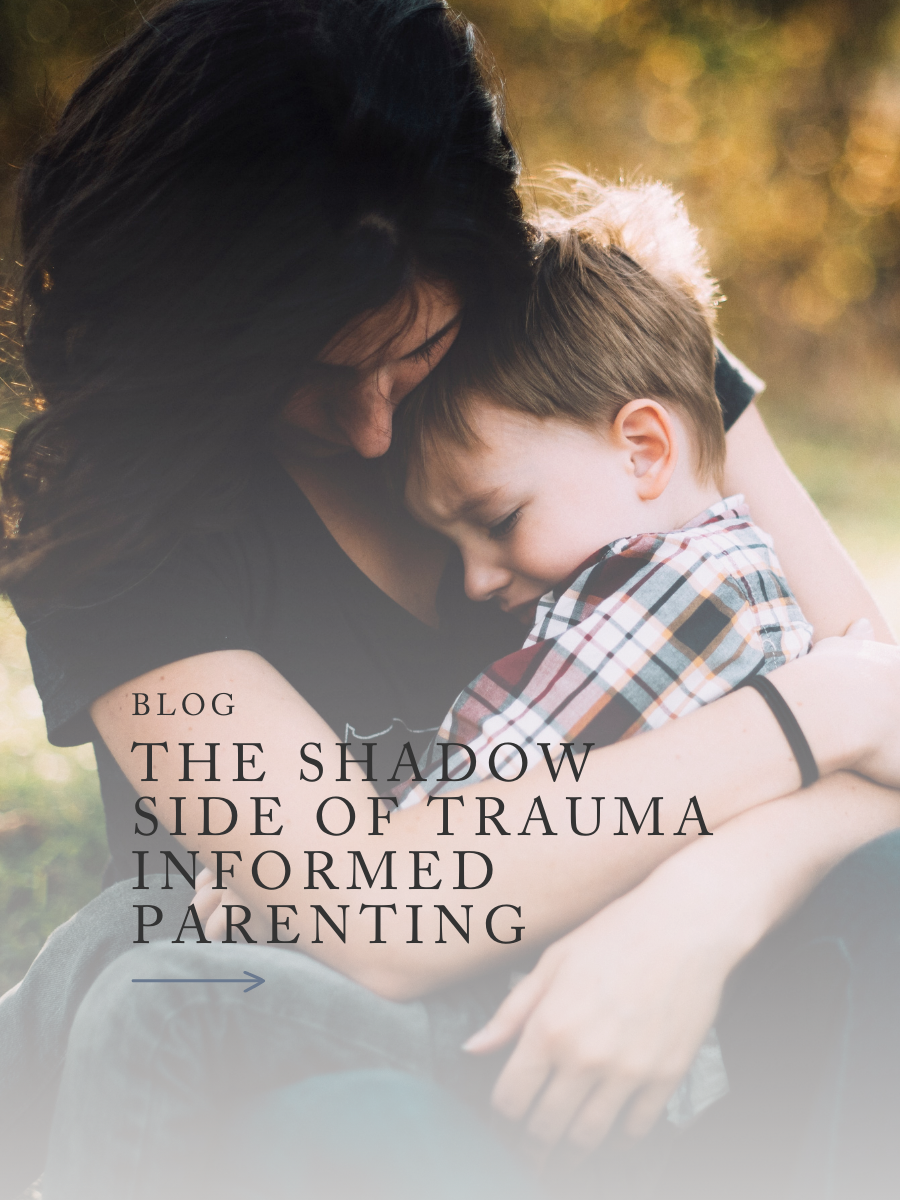
If you’re a mom keenly aware of the impact of multigenerational trauma, this one is for you. Our collective understanding of trauma, from its effects in utero to how it shapes a child’s development, has grown exponentially in recent generations. You’ve likely heard about how stress hormones can influence a developing baby or how our behaviors as parents profoundly impact our children. But there’s another side to this heightened awareness, one that’s often not discussed.
Let’s explore the shadow side of trauma-informed parenting, not to discredit its importance, but to shine a light on the unintended guilt, fear, and pressure it can create for already conscientious parents. (And let’s be real here, the majority of parents who are holding the emotional burden for not passing on multi-generational trauma are often mom’s).
When Awareness Becomes Overload
For those of you already doing the work, reading books, following accounts on gentle parenting, reparenting your inner child, this article is for you. You’re the parent who is acutely aware of breaking generational cycles and showing up differently for your children. But this awareness can swing the pendulum too far, leaving many moms feeling guilt-ridden, fearful, and hyper-focused on every potential mistake.
Countless conversations with mothers in my therapy practice reveal a common theme: The immense pressure to be the perfect parent. And while fathers are not immune to parenting challenges, societal expectations often place a disproportionate emotional and domestic labor load on mothers, leaving them more susceptible to feelings of inadequacy.
The Human Side of Parenting
Here’s an important truth: Trauma is part of the human experience. No matter how much we try to shield our children, they will experience moments of disconnection and overwhelm, and that’s okay. The goal is not to prevent every instance of trauma but to focus on repair.
Research shows that it’s not the rupture itself but the repair that matters most in relationships. When you acknowledge your child’s experience, apologize when necessary, and take accountability, you model respect, empathy, and resilience. This process is far more impactful than striving for unattainable perfection.
Balancing Love and Limits
Parenting is often described as a two-arm hug: one arm providing unconditional love and belonging, the other offering guidance and boundaries. While it’s crucial to be a safe haven for your children, it’s equally important to prepare them for life’s challenges. Our role as parents isn’t to shield our kids from all the hard things but to help them build the resilience to face and navigate them.
Think of Mother Nature. A wolf mother snuggles her pups in the den but also nudges them out to develop the strength they’ll need to survive. Both acts are rooted in love. Similarly, loving parents balance protection with preparation, helping our children grow into capable, self-assured individuals.
The Impact of Societal Systems
It’s also essential to acknowledge the privilege and systemic factors that influence parenting. Gentle parenting often assumes access to resources—time, support networks, and financial stability, that not all families have. Historically, humans raised children within the context of a village, with shared responsibilities and a robust social support system. Today’s nuclear family structure places unrealistic expectations on parents, particularly mothers, to do it all alone.
Attachment parenting and trauma-informed practices are valuable, but they’re not the full picture. The pressure to adhere to these ideals without recognizing systemic barriers can compound guilt and burnout. Remember, your best is enough. You’re doing the work, and that work matters.
Moving Forward with Compassion
As you navigate the complexities of trauma-informed parenting, give yourself the grace you so freely extend to your children. Trust that your efforts to model repair, love, and accountability are what truly matter. Embrace the imperfections of the journey, and remember that raising resilient, compassionate children starts with showing yourself the same care and kindness.
Parenting is a lifelong learning process, a balance of nurturing and guiding, protecting and preparing. As long as you keep showing up, with love and intention, you’re doing enough.