

The Challenges and Benefits of Being a Cycle Breaker
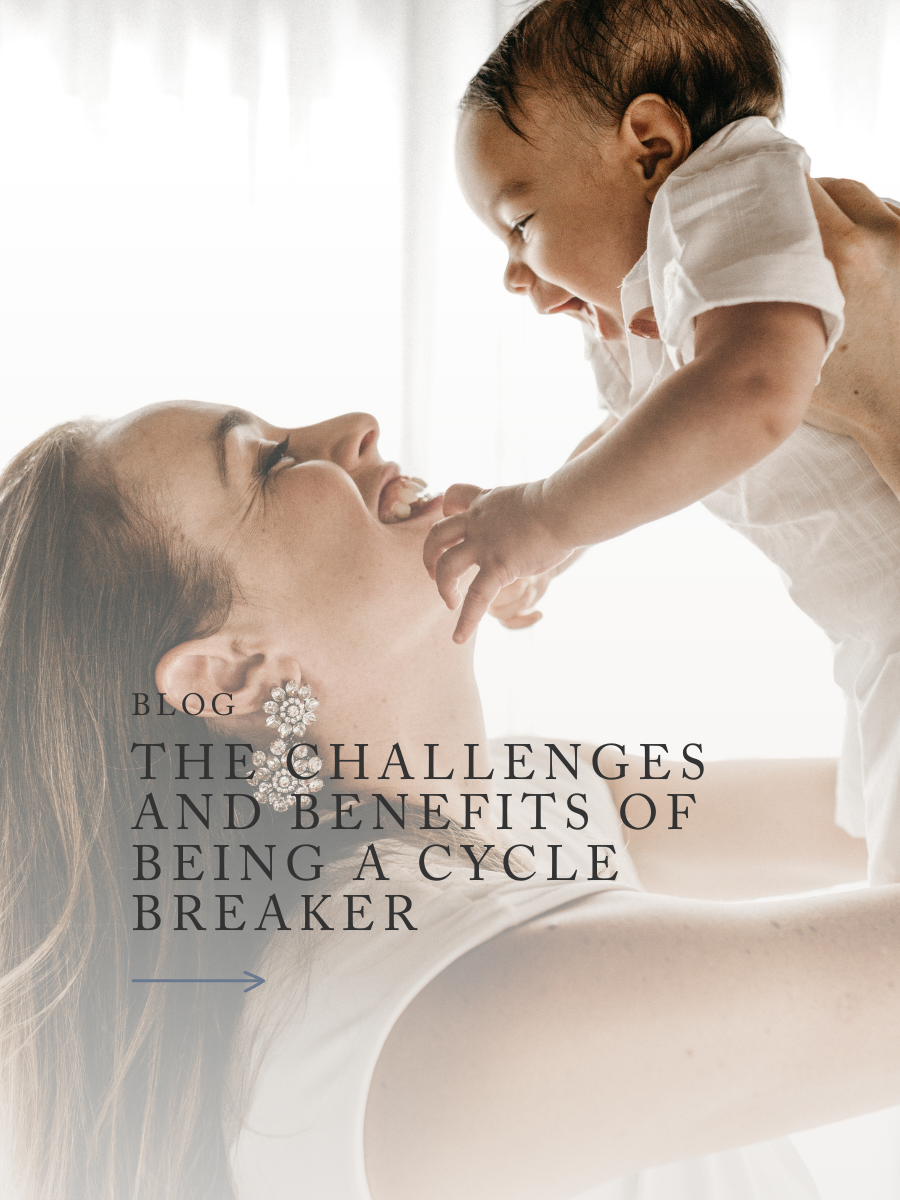
Becoming a cycle breaker—a.k.a: someone who consciously decides to break free from patterns of dysfunction, trauma, or unhealthy behaviours that have been passed down through generations—is a profound and transformative journey. This path is often filled with both significant challenges and powerful benefits. Understanding these can help cycle breakers navigate their journey with greater awareness and resilience.
Common Challenges Faced by Cycle Breakers
Emotional Labor and Exhaustion: Breaking generational cycles requires deep emotional work. This often involves revisiting painful memories, confronting long-held beliefs, and processing trauma. The emotional labour can be intense at times, particularly because cycle breakers are often the first in their families to undertake this work.
Family Dynamics and Resistance: One of the most challenging aspects of being a cycle breaker is navigating the reactions of family members. Often, families are not ready to acknowledge or address the dysfunction or trauma that has been passed down. Cycle breakers may face resistance, denial, or even hostility from those who feel threatened by change.
Feelings of Isolation: The path of a cycle breaker can be lonely. When you’re the first to step away from ingrained patterns, it can feel like you’re the black sheep and the one “rocking the boat”. This sense of isolation is compounded when family members or friends don’t understand or support your efforts to create change.
The Weight of Responsibility: Cycle breakers often carry a heavy sense of responsibility, not just for their own healing, but also for future generations. This can be overwhelming, particularly when the journey feels long and the progress seems slow.
Navigating Identity Shifts: As cycle breakers move away from old patterns and begin to heal, they may experience shifts in their identity. This can be disorienting, as the familiar ways of being and relating are replaced with new, healthier approaches. The process of redefining oneself can be both challenging and liberating.
The Powerful Benefits of Being a Cycle Breaker
Personal Healing and Growth: The most immediate benefit of breaking cycles is personal healing. As you work through trauma, develop new coping mechanisms, and establish healthier patterns, you experience significant personal growth. This healing process allows you to live a more authentic and fulfilling life, free from the constraints of past dysfunction.
Short-term discomfort for longer-term gains: Even when emotional work required to become a cycle breaker is challenging it is often a case of “shorter term pain for longer-term gain. The energy that is drained by ongoing negative cycles often is a larger loss across a lifetime than doing the hard work of healing and learning more effective ways to manage stressors and communication. Just like exercising for physical health, the hard work you put in pays off in increased emotional maturity, self-awareness, self-love, confidence, resiliency and more.
Improved Relationships: As cycle breakers heal and grow, their experience of their relationships often improves. By setting healthier boundaries, communicating more effectively, and fostering emotional intelligence, they create more balanced and supportive connections with others. This not only benefits the cycle breaker but also creates a ripple effect that can positively impact their entire family and social circle. This doesn’t mean that other’s will change but the impact on your well-being can shift dramatically as a result of doing this work for your own peace.
Breaking the Chain for Future Generations: One of the most profound benefits of being a cycle breaker is the potential to prevent the transmission of trauma or unhealthy patterns to future generations. By addressing and healing these issues now, cycle breakers pave the way for their children and grandchildren to grow up in healthier environments, with greater freedom from the burdens of the past.
Building Resilience: The challenges that cycle breakers face often lead to the development of greater resilience. The process of confronting and overcoming deeply ingrained patterns requires strength, perseverance, and adaptability. This resilience not only helps in navigating the current challenges but also equips cycle breakers to handle future difficulties with greater ease.
Creating a Legacy of Healing: By choosing to break cycles, cycle breakers create a legacy of healing and growth. This legacy is not just about the absence of dysfunction; it’s about the presence of positive, nurturing, and empowering ways of being. Our own work contributes to a legacy of emotional maturity, presence, expression of unconditional love, emotional connection, self-regulation and more. Skills that help us have richer and more rewarding relationships. This legacy can inspire others in the family or community to embark on their own journeys of healing.
Final Thoughts
Being a cycle breaker is not easy, but it is one of the most powerful and impactful choices one can make. The challenges are real and often daunting, but the benefits—for both the individual and future generations—are profound. It’s a journey of courage, resilience, and transformation, one that requires support, self-compassion, and a deep commitment to change.
If you’re on this path, remember that you don’t have to navigate it alone. There are resources, communities, and support systems available to help you on your journey. Embrace the challenges, celebrate the victories, and know that your efforts are creating a brighter, healthier future for yourself and those who come after you.